
What should be considered when planning for later life?
23 October 2026
Planning for later life covers more than retirement income. See what to consider on housing, aged care, family support and estate planning.
Read More →23 October 2026
Planning for later life covers more than retirement income. See what to consider on housing, aged care, family support and estate planning.
Read More →23 September 2026
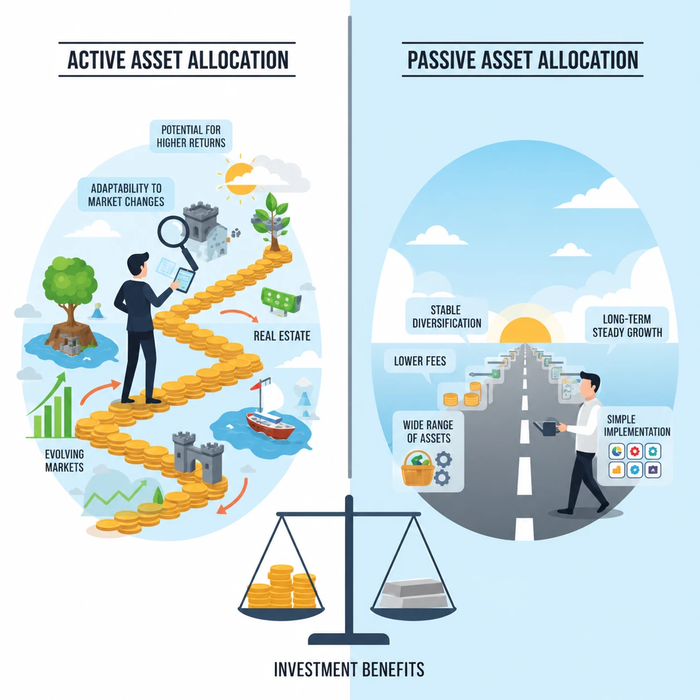
Active or passive? How behavioural biases trip up active asset allocation, what a good adviser can add, and how to check an adviser before you engage.
Read More →16 September 2026
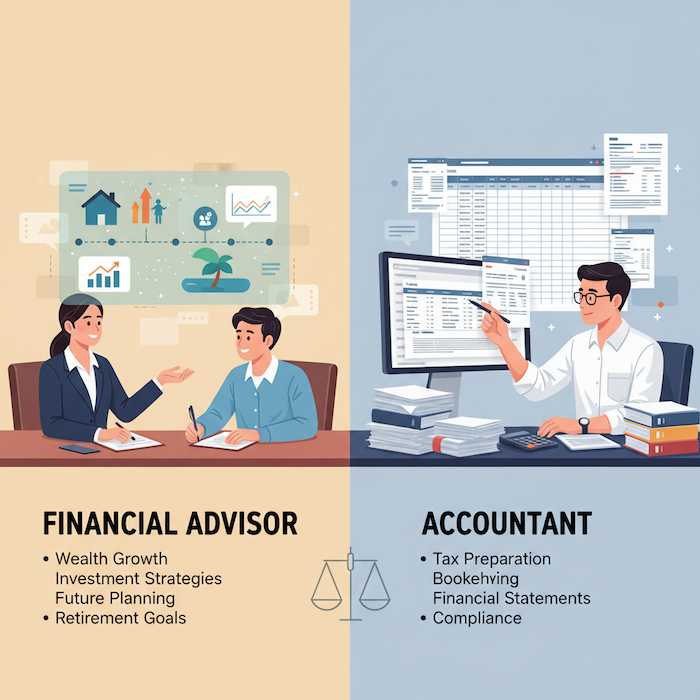
Navigating the Australian financial landscape can be overwhelming. A financial advisor can simplify complex rules and investment options for you.
Read More →9 September 2026
As a financial planner in Australia, I often help clients with financial advisor tax planning to optimize their tax strategies effectively.
Read More →2 September 2026
Managing debt can be overwhelming for many Australian households. A financial advisor can provide guidance and support in tackling this burden effectively.
Read More →26 August 2026
As an Australian financial planner, I often help clients with retirement questions, especially regarding their eligibility for centrelink.
Read More →19 August 2026
The retirement journey is a significant financial and lifestyle change for Australians, making the transition to retirement essential for a secure future.
Read More →12 August 2026
Discover how financial advice can help you navigate challenges and make informed decisions as you manage an inheritance.
Read More →5 August 2026
In Australia's major cities, many professionals earn a six-figure salary but struggle to turn that income into lifelong wealth. Six Figure Salary.
Read More →29 July 2026
Understanding wealth management in Australia is vital. Learn how a family trust can assist your family in growing and protecting wealth.
Read More →22 July 2026
Amid the turmoil of getting divorced, it’s easy to feel overwhelmed by the sheer volume of financial matters that need to be addressed.
Read More →15 July 2026
As a financial advisor operating in the Australian landscape, few topics generate as much excitement—and confusion—as Employee Share Schemes (ESS). For…
Read More →8 July 2026
The question of whether to buy a home or to rent and invest the difference is perhaps the most emotionally charged financial decision an Australian will…
Read More →1 July 2026
As an Australian financial advisor, I've seen how to Pay Off Debt Quickly to reduce the stress and anxiety that debt causes individuals and families.
Read More →24 June 2026
As an Australian financial advisor, I help clients manage their finances and strategies, including dealing with redundancy.
Read More →17 June 2026
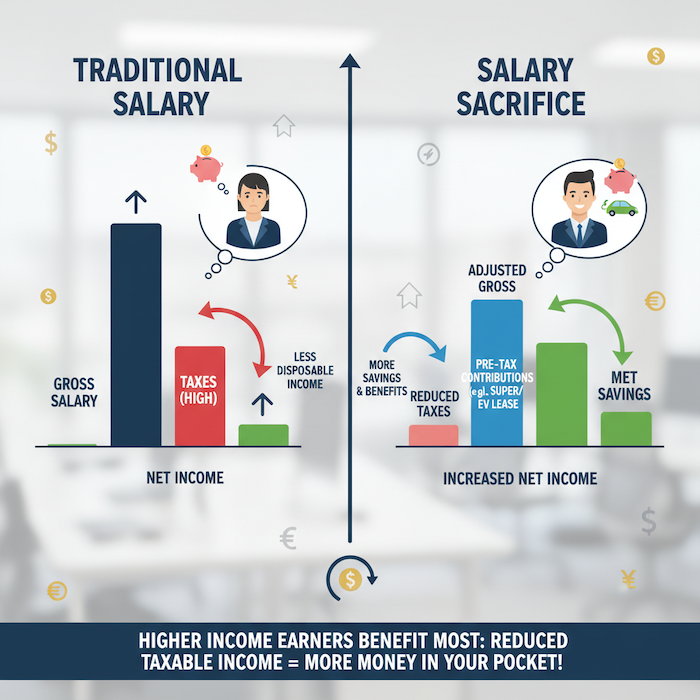
As a financial advisor, one of the most powerful yet often misunderstood tools I discuss with clients is salary sacrifice , also known as salary packaging…
Read More →10 June 2026
As a financial advisor, I help clients navigate economic changes, especially how the retirement of Baby Boomers will affect Australia.
Read More →3 June 2026
Discover the best strategies for retirees as they explore their investment options to ensure a secure financial future. Learn about effective investment options.
Read More →27 May 2026
As a financial advisor in Australia, understanding the Discretionary Trust can provide strategic benefits and enhance your financial planning options.
Read More →20 May 2026
As an Australian financial advisor, I've discussed how inflation impacts market volatility, interest rates, and global investment strategies.
Read More →13 May 2026
Prepare for the transition to motherhood by understanding finances and planning for Maternity Leave with expert guidance from Approved Financial Planners.
Read More →7 May 2026
The daily grind and morning commute can make it tough for high-earning Australians to imagine how to Retire Early. Discover strategies to achieve this goal.
Read More →30 April 2026
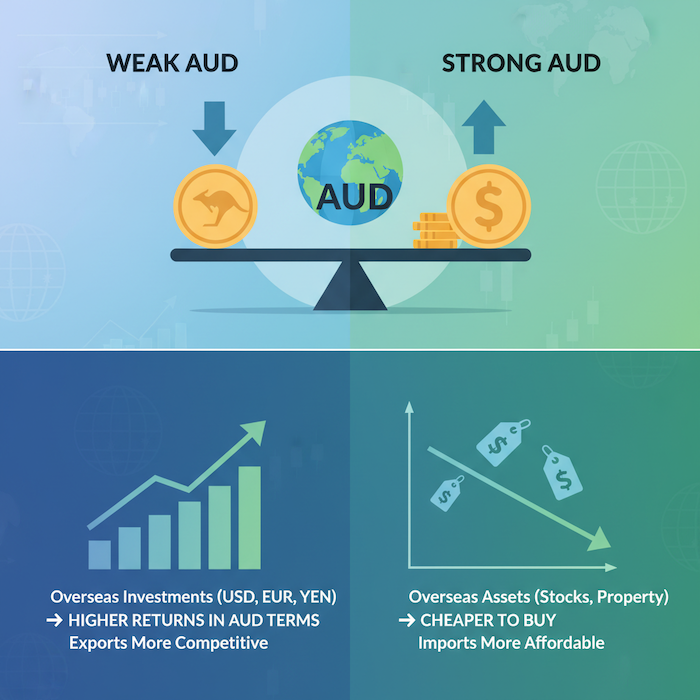
As an Australian investor, understanding how the Australian Dollar influences your investment portfolios is crucial for making informed decisions.
Read More →23 April 2026
Planning for a child's education is a crucial conversation for Australian parents. Discover the best ways to save for children's education.
Read More →16 April 2026
As a financial advisor in Australia, I've seen many women face distinct challenges and make common Financial Mistakes.
Read More →9 April 2026
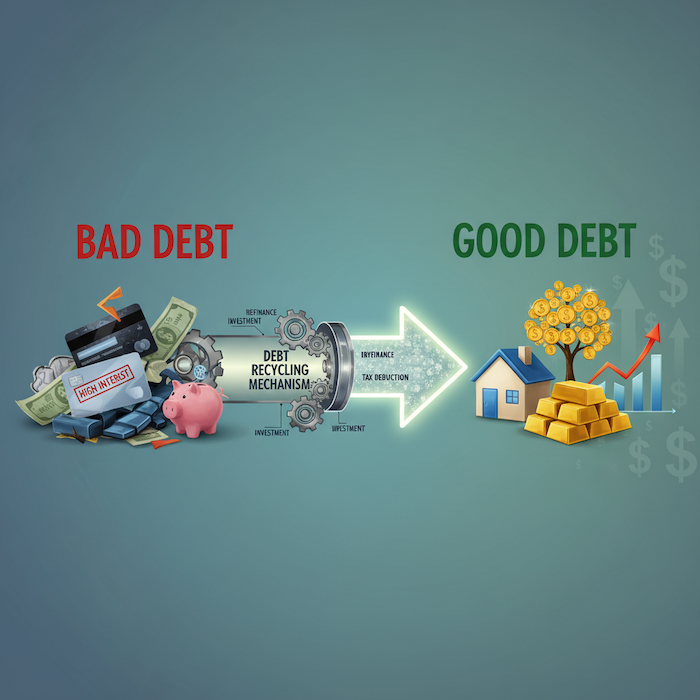
Discover how Debt Recycling can help you manage debt effectively while building wealth. Learn its benefits in our comprehensive guide.
Read More →2 April 2026
For many Perth homeowners, deciding what to do with extra money can be challenging: should you invest in Your Super or Your Mortgage?
Read More →26 March 2026
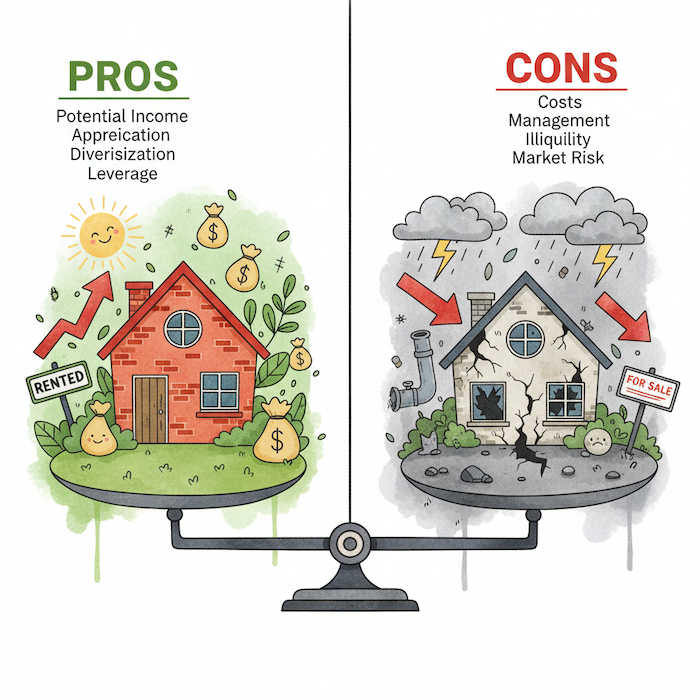
As an Approved Financial Planner, I explore the essential Pros and Cons of Property Investment for building wealth in Australia.
Read More →19 March 2026
As an Australian financial advisor, I often discuss whether a Self Managed Superannuation Fund is right for your financial goals.
Read More →12 March 2026
Explore key factors to consider when investing in property. Make informed decisions about investing in Property With an SMSF.
Read More →5 March 2026
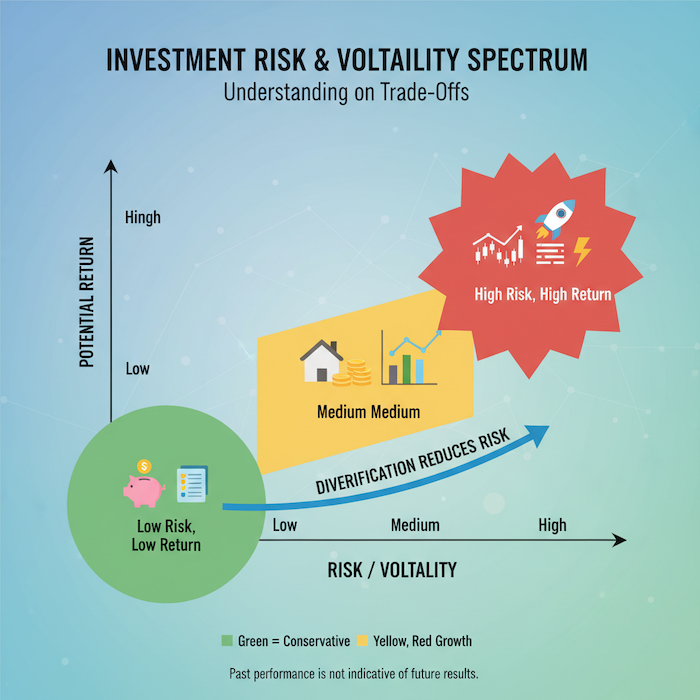
Diversification—the practice of spreading investments across various assets—effectively reduces risk and volatility in a portfolio.
Read More →26 February 2026
Long-term personal insurance options, including life and income protection, offer essential financial security for your future.
Read More →19 February 2026
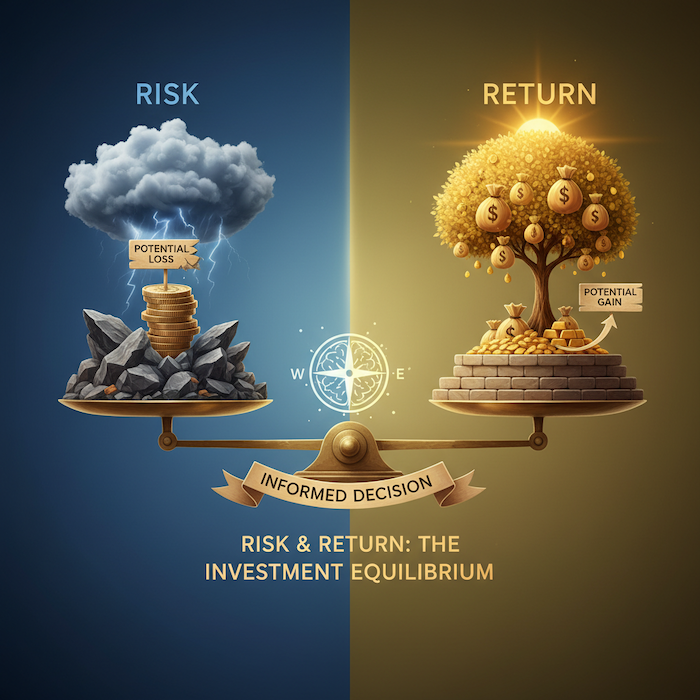
Investing involves a trade-off between risk and return, as higher potential returns usually come with greater uncertainty—consider Risk vs Return.
Read More →12 February 2026
Making financial decisions—on investments, superannuation, and retirement—requires sound Financial Advice to avoid long-term consequences.
Read More →5 February 2026
Buying your first home is often billed as a rite of passage. But given current market conditions in Australia, it’s more complex than ever. Before diving…
Read More →29 January 2026
In recent years, the rise of trading apps and social media influencers has led to common mistakes made by DIY Investors. Learn how to avoid them.
Read More →22 January 2026
Retirement is not just the absence of work; it's a phase where managing income and expenses is vital for a comfortable retirement.
Read More →12 January 2026
Being single means your financial plan is solely yours. Discover essential Financial Tips for Singles to take control of your future.
Read More →5 January 2026
Learn how to achieve financial success by avoiding common money mistakes. Discover key insights on money mistakes to steer clear of in your journey.
Read More →29 December 2025
Discover effective tips to save money and reduce your Monthly Expenses, helping you keep more cash in your pocket each month.
Read More →22 December 2025
In an era of rising costs and volatile markets, sound financial planning is essential to ensure you control Your Money effectively.
Read More →15 December 2025
Retirement planning goes beyond saving; understanding your life expectancy is vital for ensuring your savings last as long as needed.
Read More →8 December 2025
Explore how borrowing in your SMSF can enhance your investment strategy and retirement savings by investing in tangible assets like property.
Read More →1 December 2025
The monthly income of Australians is facing sustained pressures: higher housing costs, inflation (especially for food, fuel, and utilities), rising…
Read More →24 November 2025
As children leave home, empty nesters face new opportunities. Financial Planning becomes essential for a secure and fulfilling future.
Read More →17 November 2025
As a financial advisor in Australia, I guide clients on protecting their assets with Total and Permanent Disability Insurance.
Read More →1 November 2025
Starting to plan your finances early in your 20s or 30s can help you get ahead financially and change your future for the better.
Read More →31 October 2025
Families in Australia today face complex financial decisions. A solid family financial plan can help navigate rising costs and uncertain markets.
Read More →30 October 2025
“Downsizing Before Retirement” generally refers to selling your current primary residence (often a large family home) and moving into something smaller,…
Read More →30 October 2025
Are your superannuation fees too high? Discover how to manage them effectively in Australia's retirement system and the impact of Superannuation Fees.
Read More →29 October 2025
Financial stability doesn’t happen by accident. For Australians, building a strong financial foundation is one of the most reliable ways to reduce stress,…
Read More →29 October 2025
We provide a full range of financial planning services to our Perth clients, but one of the first questions we ask if you plan to build wealth, is about…
Read More →29 October 2025
Investing in real estate can be attractive yet daunting. New Property Investors should be aware of potential risks and rewards.
Read More →28 October 2025
Financial planning is often seen mainly as numbers, spreadsheets, superannuation, investments, maybe tax or estate matters. But there is growing…
Read More →27 October 2025
Many people assume that having a will is sufficient estate planning . But in Australia, a will is only one part of a broader, more complex set of…
Read More →27 October 2025
Superannuation splitting is a strategy that allows one spouse to transfer part of their contributions, enabling effective Splitting Superannuation.
Read More →27 October 2025
Knowing what you want from your investments is crucial in today’s economy. Being clear on your Investment Goals can lead to better financial decisions.
Read More →23 October 2025
Being self-employed offers independence, flexibility, and control. But with that comes extra financial responsibility and risk. Unlike employees who have…
Read More →22 October 2025
Discover how Managed Funds operate and the benefits they offer through expert advice from approved financial planners. Explore Managed Funds.
Read More →22 October 2025
Managing multiple financial commitments can be stressful; however, understanding Debt Consolidation Loans can simplify your journey to financial stability.
Read More →21 October 2025
Self-Managed Superannuation Funds (SMSFs) are a popular choice for Australians seeking control over their retirement savings with Online Super Funds.
Read More →21 October 2025
Investing wisely today can lead to financial growth and income tomorrow. Discover essential tips for Successful Investing.
Read More →20 October 2025
Navigating property investment in Australia involves complexities like regulatory constraints and credit policy, especially for Property Investors.
Read More →20 October 2025
Retirement should bring peace, but for many Australian men, it leads to financial stress due to rising living costs and mounting debt.
Read More →18 October 2025
Discover how small changes in your habits can help you start to save money effectively and build a brighter financial future. Save Money.
Read More →14 October 2025
How the mix of growth and defensive assets shapes long-term returns, why switching in a downturn can cost you, and how rebalancing keeps a portfolio on track.
Read More →14 October 2025
Money shapes almost every aspect of adult life—from managing household budgets to saving for retirement. Yet many Australians enter adulthood without the...
Read More →11 October 2025
Market volatility is an unavoidable part of investing. Learn tips for navigating a Volatile Investment Market effectively.
Read More →10 October 2025
Planning for retirement involves crucial financial strategies. Learn how to navigate essential Retirement Decisions for a secure future.
Read More →9 October 2025
Explore the pros and cons of investment property for retirement income in this Retirement Planning 101 guide by Approved Financial Planners.
Read More →8 October 2025
Definition: Key person insurance (sometimes called “ key man insurance ”) is a policy that a business takes out on the life (and/or health/disability) of…
Read More →8 October 2025
Life has a way of surprising us. Building an adequate Emergency Fund can help stabilize households facing unexpected challenges.
Read More →5 October 2025
DIY financial planning can work for some, especially if finances are simple, you have good knowledge and discipline. But for many people, the downsides…
Read More →4 October 2025
Western Australia's economy is well-positioned for continued, albeit more moderate, growth. Read our WA Economy Update for insights on the state's fiscal strength.
Read More →3 October 2025
Explore the significant financial risks retirees face, why they matter, and how they can erode retirement well-being. Understand these Financial Risks.
Read More →1 October 2025
Planning for the future can be daunting, but understanding what happens to your SMSF when you die can provide peace of mind.
Read More →29 September 2025
Discover the advantages and workings of a Managed Mortgage Fund with insights from Approved Financial Planners for smarter investing.
Read More →26 September 2025
Getting divorced is one of the most challenging life events, not just emotionally but financially. In Australia, around 56,000 divorces were granted in…
Read More →25 September 2025
Long term investors can maximize their wealth by understanding the benefits of a strategic investment approach over time. Explore these advantages now.
Read More →13 September 2025
Retirement is often imagined as a time of reduced costs, but understanding the biggest expense for retirees is crucial for financial planning.
Read More →13 September 2025
In an increasingly complex financial world, many Australians turn to a Financial Planner to manage their finances effectively and achieve their long-term goals.
Read More →12 September 2025
In today's robust economy, many struggle with finances, making it crucial to learn how to avoid Living Paycheck to Paycheck.
Read More →12 September 2025
In the pursuit of financial security, Australians often overlook Income Protection Insurance while building their wealth through savings and investments.
Read More →12 September 2025
For many Australians, superannuation is a cornerstone of their retirement planning, including options like Death and Disability Insurance.
Read More →11 September 2025
In the journey of life, we plan for milestones, but unfortunately, Trauma Insurance and Income Protection Insurance are seldom considered; buying a home,…
Read More →11 September 2025
Navigating the Australian property market can feel overwhelming. Choosing the right Mortgage Broker can simplify the process and save you time.
Read More →11 September 2025
Discover how to embrace success with effective strategies for the End of Financial Year and maximize your financial potential.
Read More →10 September 2025
Avoid these 10 common mistakes in retirement. Smart retirement planning can lead to a secure and fulfilling future. Focus on effective Retirement Planning.
Read More →9 September 2025
Discover key factors to consider when choosing a Financial Adviser to ensure you receive the best financial guidance for your future.
Read More →9 September 2025
Deciding whether or not to set up an SMSF is a significant financial decision that should not be taken lightly. Before you take the plunge, it’s essential…
Read More →9 September 2025
“Total and Permanent Disability Insurance” is designed to relieve financial pressure in case you become permanently disabled as a result of illness or…
Read More →7 September 2025
Discover effective strategies to understand your payments and reduce mortgage repayments. Explore our tips for financial relief!
Read More →6 September 2025
Discover the importance of Trauma Insurance and learn how it can protect your finances during difficult times. Understand why you need it.
Read More →17 August 2025
Last financial year's superannuation statements are hitting your mailboxes over the past week. You must check that your details are correct. The following…
Read More →12 August 2025
In 2014, the Australian Taxation Office reported six million accounts as "lost." Learn how to find your lost superannuation account today.
Read More →13 June 2025
You are entering the next chapter of your life and retiring, and you're asking yourself the question, what is a good monthly retirement income ? It’s your…
Read More →9 June 2025
As a financial advisor in Australia, it's rare to witness significant changes in government policy, especially concerning Tax.
Read More →19 May 2025
Life is unpredictable. Many Australians face low probability but high impact risks. Personal insurance can help mitigate these risks from serious illness, disability, or death.
Read More →2 May 2025
Property investment remains one of the most common routes to wealth building in Australia. Western Australia, including Perth and regional WA, has been…
Read More →17 April 2025
What are the benefits of working with a Financial Advisor? When people hear the term Financial Planner , they often think of someone who helps with…
Read More →13 April 2025
If you're asking yourself the question, how much do I need to retire in Australia , then this article is for you. I want you to know that taking proactive…
Read More →21 March 2025
Western Australia's economy is transitioning into a moderate growth phase, shaping the landscape for Western Australia's Economy in 2025.
Read More →14 March 2025
ASFA (Association of Superannuation Funds of Australia) distinguishes between two retirement lifestyle standards: Modest : Covers basics and some small…
Read More →29 January 2025
1. The role of a mortgage broker in Australia What a mortgage broker does A mortgage broker acts as an intermediary between borrowers (you) and lenders…
Read More →13 January 2025
Learn about superannuation and how it can secure your financial future with insights from approved financial planners. Discover your options today!
Read More →4 April 2023
Australian retirees increasingly report financial insecurity as a reason for returning to work, often due to common financial mistakes retirees.
Read More →4 April 2023
Retiring early is enticing with time for travel and hobbies, but it's essential to consider: How Long Will My Money Last When I Retire?
Read More →